


Latest
The Sustainable Development Goals in Malaysia, Singapore and Brunei Darussalam
The Sustainable Development Goals are a global call to action to end poverty, protect the earth’s environment and climate, and ensure that people everywhere can enjoy peace and prosperity. These are the goals the UN is working on in Malaysia:
Take Action
10 July 2024
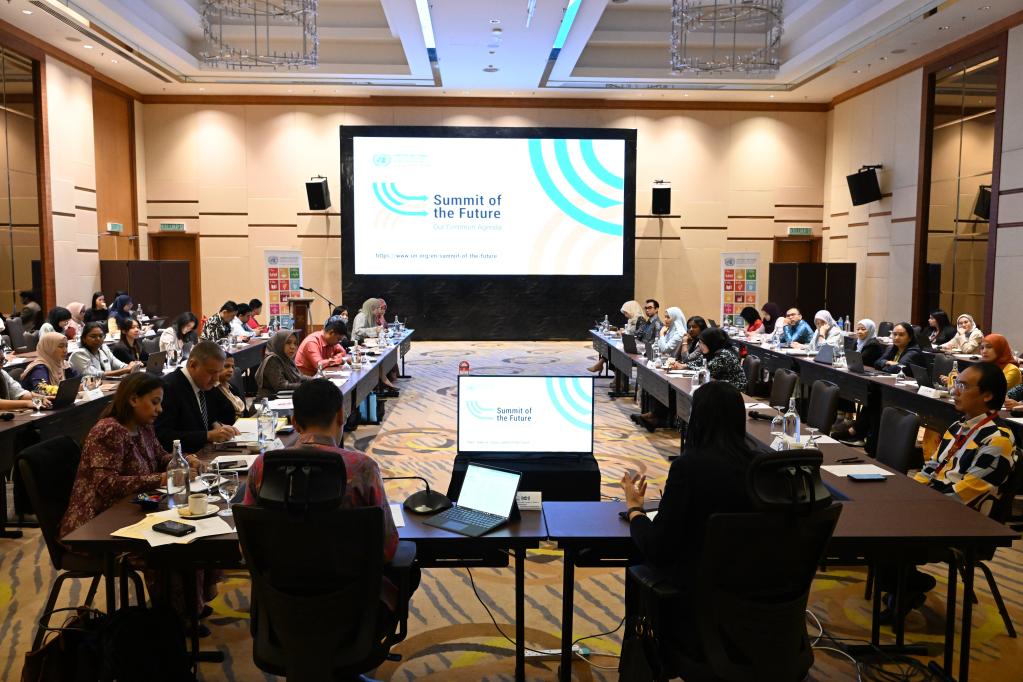
Summit of the Future
The Summit is a high-level event, bringing world leaders together to forge a new international consensus on how we deliver a better present and safeguard the future.
1 of 5
Publication
04 July 2024
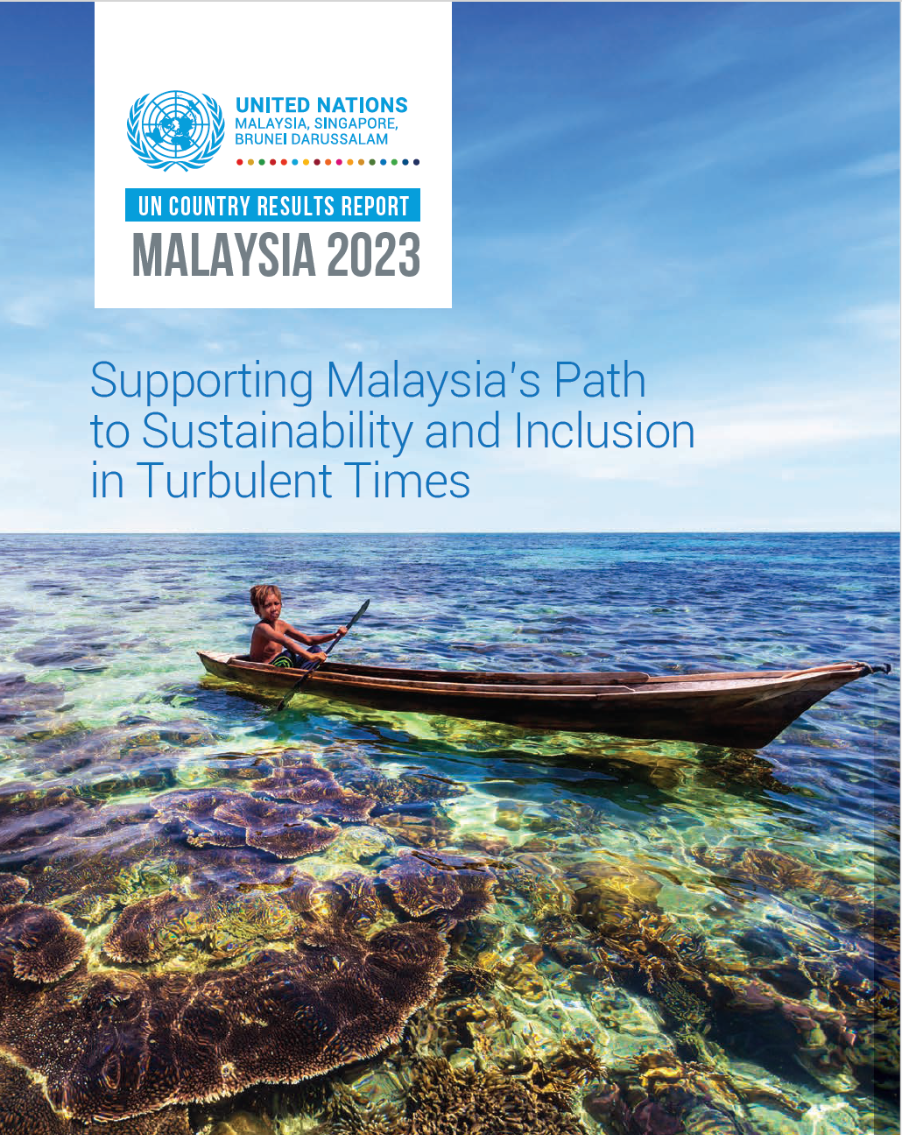
UN Country Results Report Malaysia 2023: Supporting Malaysia’s Path to Sustainability and Inclusion in Turbulent Times
The 2023 Country Results Report provides a spotlight on the key results of the UN system’s programming and advocacy in 2023. Working under the umbrella of the UN Sustainable Development Cooperation Framework 2021-2025 (CF) and drawing on information available on our website via the UN INFO platform, this report reflects the dynamism of 2023. In line with the UN development system reforms, the UNCT continues to deliver tangible results, under the leadership and coordination of the Resident Coordinator.The UNCT, in collaboration with its diverse partners, works towards fostering an equitable and inclusive economy guided by a human rights approach to development. Programmes include enhancing the skills of women entrepreneurs, combating forced and child labour in the palm oil industry, expanding social protection, and ensuring youth access to technical and vocational education and training (TVET). Furthermore, the UN remains dedicated to assisting the Government in safeguarding Malaysia's abundant biodiversity, protecting the environment and combating climate change. The UN remains resolute in fulfilling its commitments to the Government and civil society by actively exploring new opportunities to accelerate SDG progress through systems and institutional strengthening.
1 of 5
Story
20 June 2024
#WorldRefugeeDay: Local Municipal Council leads the way in finding solutions for harmonious living of residents – Malaysians and refugees alike
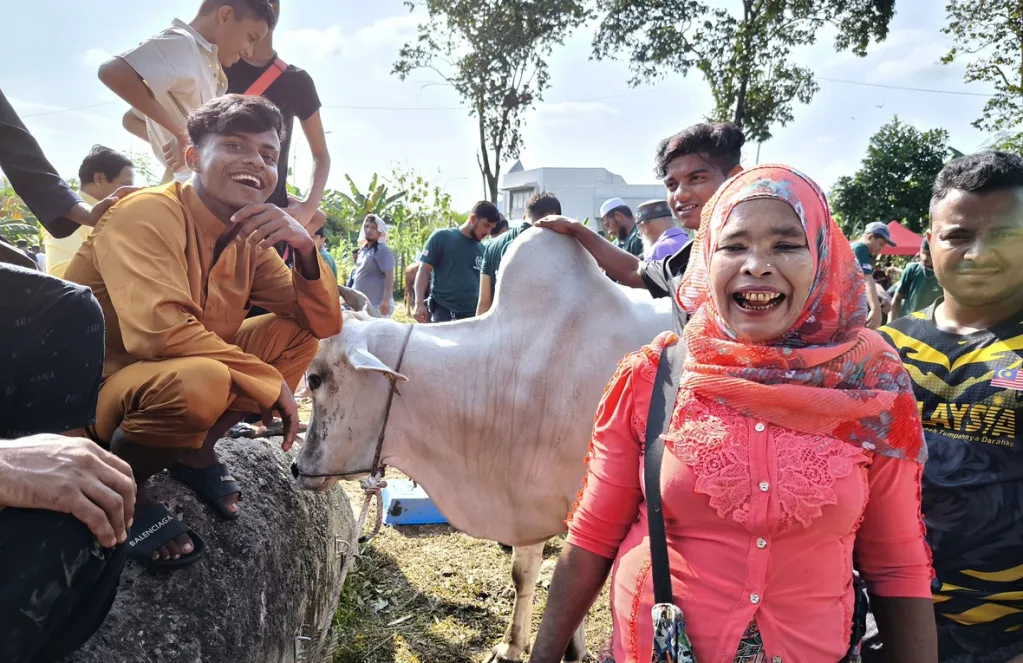
Read the original story hereIt was the morning of Eid Al-Adha. Since the early hours, a neighbourhood field in the district of Ampang Jaya an hour outside Kuala Lumpur became the gathering point for communities of Muslim refugees and migrants.Myanmar refugee Rashidah and her seven children were among them. Her family had gathered on the field with others from the neighbourhood to observe Eid Al-Adha with a ritual sacrifice of livestock, or qurban.Eid Al-Adha is a revered observance among Muslims, coinciding with the final rites of the Hajj pilgrimage in Saudi Arabia. Devout Muslims slaughter livestock and share two-thirds of the meat with the poor.“We can’t travel to perform the holy pilgrimage to Mekah, so this is a way to practice our faith,” Rashidah said.Rashidah has lived as a refugee in Malaysia for 37 years, after her family fled persecution in Myanmar. A single mother raising young children alone, Rashidah earned a wage for years working as a cleaner. Now, her grown sons also work to augment the family income.“We all pooled our money to buy a cow for qurban this year,” said Rashidah. “All the meat will be distributed to the mosque and to the poor – Malaysians and non-Malaysians. We’re not keeping any meat. We will give to all who need it.”There are currently approximately 189,000 refugees and asylum-seekers in Malaysia, some of whom are Muslim. Many, like Rashidah, practice Eid Al-Adha with the ritual sacrifice of livestock animals.“We contacted the Municipal Council of Ampang Jaya - the local authority responsible for the cleanliness and well-being of residents in the area – to seek a discussion on helping refugees comply with standardised procedures when conducting qurban,” said Adli Zakuan Zairakithnaini, UNHCR head of humanitarian affairs.“Refugees have no legal status in the country. Living in the fringes of society, especially in a foreign land, it is understandable how some refugee communities may lack full understanding of domestic regulations, procedures, and practices, and the impact of their behaviour to local communities.“Our priority is to ensure these gaps in knowledge are addressed to reduce any friction between refugees and host communities that may arise from misunderstandings. Our interest is that refugees conduct practices like qurban within the parameters of local regulations and procedures.”Dr Ani Ahmad, Chairman of the Municipal Council of Ampang Jaya, explained the Municipal Council’s intentions to better regulate qurban conducted by foreigners in the area.“It is sometimes difficult for foreigners to conduct qurban at mosques or designated slaughter centres. Often, they resort to performing the qurban ritual at inappropriate locations like vacant lots, in housing areas, or industrial areas. This is often disruptive, unhygienic, and insensitive to the sentiments of local populations,” said Dr Ani.UNHCR, together with Government departments involved in managing the qurban ritual as well as representatives from local mosques, were invited by the Municipal Council for a series of discussions on how qurban was conducted by foreigners, including refugees, and how to better manage it collectively.“The Municipal Council designated four locations where foreigners could conduct qurban in the district,” said Dr Ani. “We agreed to provide amenities such as tents, clean water, waste disposal bins, cleaners, and traffic control.” Ahead of Eid Al-Adha, UNHCR rapidly produced simple and clear guidance for refugee communities on local norms and practices, as well as regulations and agreed procedures around conducting livestock sacrifice, including safety and hygiene practices, as well as consequences and penalties for non-compliance.These were then mass distributed through a variety of channels used for communicating with refugees, including through digital instant messaging platforms and UNHCR’s Refugee-Malaysia.org information portal. UNHCR also engaged refugee community representatives on the ground to disseminate the information and help answer questions.On the morning of Eid Al-Adha, a UNHCR team was on the ground to monitor the implementation of this new procedure. Officers from the Municipal Council, including Dr Ani, were also present.“Refugee community focal points had informed the Municipal Council in advance how many families would be conducting qurban in each location and how many cows would be sacrificed,” said Adli. “With structures and plans in place, we saw a smooth implementation of the qurban ritual in the four designated locations.“UNHCR is deeply appreciative to the Municipal Council of Ampang Jaya for its exemplary leadership in identifying and implementing a solution that benefits the well-being of all residents – refugees, migrants, and Malaysians alike.”Dr Ani said that managing the qurban rituals this way reduced complaints from local residents, especially around issues of the disruption to neighbourhoods, cleanliness and hygiene of slaughter locations, and traffic congestion while activities were underway.“This kind of cooperation helps the Municipal Council more effectively carry out our responsibilities. It creates a harmonious environment with the local population and ensures every segment of society has access to better living conditions,” said Dr Ani. “We hope to see more of such cooperation in the future in line with the aspirations of the Sustainable Development Goals.”
1 of 5
Story
13 June 2024
UN in Malaysia partners with Ministry of Foreign Affairs on Summit of the Future briefings
In the lead up to of the Summit of the Future (SOTF), the UN in Malaysia, in partnership with the Ministry of Foreign Affairs Malaysia, organized two briefing sessions for government and civil society representatives on 30 May 2024. The Summit of the Future will be convened during the 79th session of the UN General Assembly, bringing world leaders together on 22-23 September to forge a new international consensus to safeguard the future and turbocharge the Sustainable Development Goals (SDGs).The first consultation involved government representatives from 15 Ministries and 5 Agencies. The second session gathered over 20 CSOs, NGOs and academia. These briefings aimed to offer an in-depth overview of the SOTF and unpack its outcome – the draft Pact for the Future plus its two annexes: the Declaration on Future Generations and the Global Digital Compact.The briefings were led by Ms. Karima El Korri, the United Nations Resident Coordinator (UNRC) and Mr. Adlan Mohd Shaffieq, Undersecretary, Multilateral Political Division from the Ministry of Foreign Affairs in Malaysia (MoFA). When addressing both Government and CSO representatives, Mr. Adlan Mohd Shaffieq acknowledged the UN Secretary General’s call for action and emphasized the Government of Malaysia’s commitment to the SOTF and full engagement in the intergovernmental negotiations. He also highlighted the importance of these consultations to gather further inputs into the SOTF outcome documents. RC Karima El Korri described the Summit of the Future as “a unique opportunity to rethink our approaches and reinvigorate collective action by aligning multilateral institutions and frameworks with the political, social, and economic realities of today’s world.” She commended Malaysia’s engagement and determination to follow through on internationally-agreed frameworks.”Richard Marshall, UN Senior Economist and Juanita Joseph, Head, Office of the UN Resident Coordinator & Strategic Planner, delivered comprehensive presentations on process and outcomes and an insightful reading into the draft Pact for the Future and two annexes. The sessions provided an avenue for participants to familiarize themselves with the Summit of the Future process and discuss the objectives, principles, actions and commitments detailed in the drafts of the Pact documents. At the conclusion of the briefings, both the UN in Malaysia and the Ministry of Foreign Affairs reaffirmed the crucial role of government agencies and civil society organizations in translating the Pact of the Future commitment and actions into actions and solutions at country-level, building on promising SDG progress to raise the ambitions and deliver an inclusive equitable, inclusive, prosperous and sustainable future for all in Malaysia.
1 of 5
Take Action
09 September 2023
Act Now for Our Common Future
Embrace the possible that’s the call of the 17 Sustainable Development Goals, a blueprint for a better world.
Everyone can join the global movement for change.
ActNow is the United Nations campaign to inspire people to act for the Sustainable Development Goals.
1 of 5

Story
02 March 2026
International Women’s Day: Eight Actions for A More Equal World
Over nearly a decade leading the United Nations, I have seen our world repeatedly tested – by climate shocks, deepening poverty, violent conflict and shrinking civic space. But I have also watched many solutions take root, and they shared one common denominator: women.As the world marks International Women’s Day, it is time to recognize that gender inequality is the greatest human rights challenge of our time – and advancing equality is one of the strongest drivers of sustainable development and peace.Here are eight actions drawn from my own experience, and inspired by the work of the UN system and civil society movements across the globe, to advance women’s rights and deliver results.1. Fix the Power GapGender equality is a question of power. But male-dominated institutions still shape our world. A rising tide of authoritarianism is deepening these inequalities, rolling back hard-won protections – from fair work practices to reproductive rights – and entrenching racial and gender biases that hold women back. Gender equality lifts societies. When power is shared, freedom expands.2. Make Parity a Priority Women are grossly under-represented in governments and boardrooms across the globe. At the United Nations, we set out to make gender parity a priority, starting with senior leadership. We did this by widening the search for qualified candidates, not by lowering standards. The UN is stronger for it, with an enhanced workplace culture and more inclusive decision-making. The lesson is clear. When institutions choose equality, results follow.3. Bet on the Highest-Return Investment Investment in women delivers outsized returns. Every dollar spent on girls’ education yields nearly triple the gains, while maternal health and family planning generate more than eightfold benefits. Policies that support families such as child care and elder care strengthen communities and unlock even more growth. Taken together, such steps lay the foundation for closing gender gaps – which can boost national income by as much as 20%.4. Make Room at the Peace TablePeace agreements are more durable when women take part in negotiating and implementing them. Yet in too many conflicts – including Gaza, Ukraine, and Sudan – women have been largely shut out of the room, even though they carry the heaviest burdens of war. At a time of rising instability, inclusion is not symbolic – it is a shortcut to stabilize our fractured world.5. End Legal Discrimination Worldwide, women hold only 64 per cent of the legal rights enjoyed by men. In too many places, they cannot own property, work freely, or seek a divorce. Even where protections exist, women face higher barriers to access legal aid or the courts. Every country must commit to dismantling discriminatory laws, and to enforcing rights in practice. 6. Zero Tolerance for Gender-Based Violence – and Zero ExcusesViolence against women is a global emergency, rooted in inequality and sustained by silence. Every woman and girl has the right to live free from fear. Yet gender-based violence – including sexual exploitation and abuse – remains a horrific breach of trust and humanity. We must confront it everywhere, with zero tolerance, full accountability, and unwavering support for survivors. 7. Code Out BiasWith women comprising just one in four tech workers, bias is being hardwired into the systems that shape daily lives. Meanwhile, misogyny is exploding online. Technology companies and governments must act together to build safe, inclusive digital spaces – and the world must do more to remove barriers for girls in science and technology.8. Put Gender in the Climate Plan Climate change is sexist. Women often eat last in food crises and endure greater danger in emergencies. Girls face higher risks of child marriage when livelihoods collapse. But women are also leading climate solutions – advancing green legislation, powering global movements, and driving change on the ground. A liveable planet demands gender-responsive climate policies, including equal access to green jobs, better protection in emergencies, and full participation in environmental decision-making.Across the globe, I have seen these eight solutions in action – in war zones and recovery efforts, parliaments and classrooms, organizations and communities.If leaders get serious about gender equality and commit to them now, we will change the world – for women and girls, and for us all.
1 of 5

Story
12 February 2026
Where every child can learn and dream
Read the original story hereAs we begin a new year, I would like to extend my warmest wishes to you. This January, as the world marks the International Day of Education, we are reminded that progress for children depends on timely support. Because of you, children are growing, learning and imagining a future full of possibilities. You are a Wira untuk Kanak-kanak and children in Malaysia and across the world are moving forward because of you.I would like to share a story from a recent school visit that shows what your support made possible, and why your continued support is needed now. My name is Azlina Kamal, and I lead Education programmes at UNICEF Malaysia. Recently, I visited a school in Serendah, Selangor. The teachers there have been trained through our Future Skills for All (FS4A) programme to better support children with disabilities, so every child can learn with confidence and dignity. Launched in 2020 with the Ministry of Education and our partners, FS4A helps make learning more relevant and inclusive for every child. Teachers are equipped with practical strategies, technology and creative teaching approaches, so classrooms can respond to different learning needs, including those of deaf/blind students.Because of you, classrooms like these are turning into spaces where every child belongs. At this school, I met Husna, fondly known as Una, a bright 12-year-old girl who is deaf. When I first saw her, she was quietly sketching scenes from her daily life and imagination.
Una was born with hearing loss and lives with her father and siblings. Without early access to sign language, school was often overwhelming. Lessons moved quickly and instructions were hard to follow. Learning, which should empower a child, too often left her feeling unseen and left behind.Sadly, Una’s experience is still the reality for many children today. Across Malaysia, around 4,000 deaf children in government schools face daily barriers to learning. These range from limited access to trained teachers and inclusive learning tools to stigma and gaps in digital access.For many, opportunities to build problem-solving, digital skills and creative thinking remain out of reach.This is why action matters now.
Because of Wira Untuk Kanak-Kanak like you, Una’s story has begun to change.Step into Una’s world. Watch how the right support is giving Una the confidence to learn, connect with others, and begin dreaming about her future. Through FS4A, Una’s teacher, Cikgu Muhammad Amsyar, learned how to use technology in simple, creative ways to support visual learning. One of these ideas became the “Totbin”, a hands-on learning tool that helps Una “see” numbers and connect Maths with meaning. "Una has fun using this tool. Her learning is improving quickly, and she’s excited to explore new skills, even coding."Cikgu AmsyarFor the first time, learning made sense.Today, Una is more confident. She participates actively in class and is proud of what she can do.But while Una is moving forward, many other children are still waiting. “Now I understand numbers. When I count, I can see them.”Husna Since 2020, FS4A has expanded across Malaysia, supporting nearly 59,000 teachers and students with and without disabilities in 3,600 schools. Teachers now have access to more than 120 practical strategies that make learning more engaging and inclusive.Yet demand continues to outpace resources.Globally, there are an estimated 240 million children with disabilities. Like Una, they need access to quality education to develop their skills and realize their full potential. Your support today can help make this possible.In 2025 alone, 6.9 million children globally, including children with disabilities, accessed education through UNICEF’s support. In 2026, we aim to reach 22.9 million children, including those affected by poverty, displacement, conflict and disability are not left behind. In Malaysia, RM1.38 million is needed to strengthen quality and inclusive education so that children like Una can learn in safe, inclusive classrooms that recognize her potential. Without timely support, children risk falling further behind, not because they cannot learn, but because learning environments are not yet ready for them.Your gift today can help train more teachers, adapt more learning materials and ensure classrooms are safe, supportive spaces where children like Una can keep moving forward.This is a moment where your action can make a real difference.Will you take action now and continue walking this journey with us?On behalf of children who hope, who dream, and who are eager to learn, I thank you for being a Wira untuk Kanak-kanak.for every child, quality education 💙With heartfelt gratitude,Azlina Kamal
Education Specialist and Lead
Una was born with hearing loss and lives with her father and siblings. Without early access to sign language, school was often overwhelming. Lessons moved quickly and instructions were hard to follow. Learning, which should empower a child, too often left her feeling unseen and left behind.Sadly, Una’s experience is still the reality for many children today. Across Malaysia, around 4,000 deaf children in government schools face daily barriers to learning. These range from limited access to trained teachers and inclusive learning tools to stigma and gaps in digital access.For many, opportunities to build problem-solving, digital skills and creative thinking remain out of reach.This is why action matters now.
Because of Wira Untuk Kanak-Kanak like you, Una’s story has begun to change.Step into Una’s world. Watch how the right support is giving Una the confidence to learn, connect with others, and begin dreaming about her future. Through FS4A, Una’s teacher, Cikgu Muhammad Amsyar, learned how to use technology in simple, creative ways to support visual learning. One of these ideas became the “Totbin”, a hands-on learning tool that helps Una “see” numbers and connect Maths with meaning. "Una has fun using this tool. Her learning is improving quickly, and she’s excited to explore new skills, even coding."Cikgu AmsyarFor the first time, learning made sense.Today, Una is more confident. She participates actively in class and is proud of what she can do.But while Una is moving forward, many other children are still waiting. “Now I understand numbers. When I count, I can see them.”Husna Since 2020, FS4A has expanded across Malaysia, supporting nearly 59,000 teachers and students with and without disabilities in 3,600 schools. Teachers now have access to more than 120 practical strategies that make learning more engaging and inclusive.Yet demand continues to outpace resources.Globally, there are an estimated 240 million children with disabilities. Like Una, they need access to quality education to develop their skills and realize their full potential. Your support today can help make this possible.In 2025 alone, 6.9 million children globally, including children with disabilities, accessed education through UNICEF’s support. In 2026, we aim to reach 22.9 million children, including those affected by poverty, displacement, conflict and disability are not left behind. In Malaysia, RM1.38 million is needed to strengthen quality and inclusive education so that children like Una can learn in safe, inclusive classrooms that recognize her potential. Without timely support, children risk falling further behind, not because they cannot learn, but because learning environments are not yet ready for them.Your gift today can help train more teachers, adapt more learning materials and ensure classrooms are safe, supportive spaces where children like Una can keep moving forward.This is a moment where your action can make a real difference.Will you take action now and continue walking this journey with us?On behalf of children who hope, who dream, and who are eager to learn, I thank you for being a Wira untuk Kanak-kanak.for every child, quality education 💙With heartfelt gratitude,Azlina Kamal
Education Specialist and Lead
1 of 5

Story
26 January 2026
Powering Rural Entrepreneurship: How Renewable Energy Drives Local Economies
Yet behind this figure, many villages in remote areas of Pahang, Perak, and Sabah still face unreliable electricity supply and limited connectivity. As a result, the communities are often forced to rely on fuel-powered generators, which are costly, inconsistent, and difficult to maintain.The lack of stable supply of electricity constrains entrepreneurship, agricultural productivity, and income generation, further widening rural-urban gaps.Against this backdrop, International Clean Energy Day – observed annually on January 26 – serves as a reminder that clean energy is not only about decarbonisation, but also about people, livelihoods, and equity.For communities in remote parts of Malaysia, where stable power remains a luxury, access to clean and reliable electricity can be transformative and unlocks opportunity, resilience, and hope for local economies.Transforming Communities, One Village at a TimeImplemented by UNDP Malaysia and funded by the Ministry of Finance, the Green and Resilient Recovery (GRR) Local Action Grant demonstrates how clean energy can unlock local potential, reduce poverty gaps, and strengthen rural economies. Across 16 villages in Pahang, Sabah, and Sarawak, GRR has supported the installation of solar photovoltaic (PV) and micro-hydro mini systems that go beyond lighting homes. With reliable energy, farmers can process and store produce, artisans can expand production, and small businesses can operate beyond daylight hours, reaching new markets and sustaining income streams. Renewable energy has become a catalyst for rural entrepreneurship. A Pathway to Inclusive, Low-Carbon GrowthGRR shows that the transition to a low-carbon future must also be inclusive and equitable. By co-designing solutions with communities and strengthening local capacities, rural livelihoods improve, and socio-economic disparities narrow. These locally tailored approaches contribute to sustainable development while supporting Malaysia’s renewable energy targets 31% by 2025 and 40% by 2035 under the National Energy Transition framework. Electricity is fundamental but not enoughAccess to energy lays the foundation for development, but electricity alone cannot drive lasting change. GRR adopts an integrated approach, pairing renewable energy with technical training, entrepreneurial support, and business skills development. Communities are empowered to manage enterprises sustainably and take ownership of their growth. Today, 25 community-driven businesses most of them women-led are emerging as catalysts for inclusive development. Their progress illustrates how energy access, combined with capacity building, can deliver durable socio-economic benefits. This approach exemplifies a Just Transition, ensuring low-carbon development leaves no community behind.Scaling Solutions: Horizontal and Vertical ImpactMany remote communities across Malaysia still face similar challenges. GRR’s model goes beyond energy provision by ensuring communities have the capacity to operate and maintain systems sustainably over the long term.Horizontal scalability involves replicating community-tailored off-grid solutions such as solar mini-grids, micro-hydro systems, and hybrid models in other hard-to-reach villages. In Sabah alone, more than 400 unelectrified communities have been identified as suitable for renewable mini-grid deployment, underscoring both the scale of need and opportunity (SabahRE2RoadMap)Vertical scalability focuses on enhancing the capacity of existing systems by addressing site-specific challenges and strengthening local capabilities, including technical, digital, and green skills, to ensure sustainable adoption, operation, and long-term impact.Looking AheadThe GRR experience highlights the value of participatory planning, cross-sector partnerships, and sustained investment in skills and enterprise development. A forthcoming policy brief will capture these lessons and offer actionable recommendations for policymakers, practitioners, and communities seeking to scale clean energy solutions advancing Malaysia’s Just Transition toward a future that is both green and socially inclusive.
1 of 5

Story
22 January 2026
Op-Ed: Incorporating a gender-sensitive life-cycle approach into Malaysia’s ageing strategy
Ageing isn’t gender-neutral, so neither should our approach be.Dr Julitta OnabanjoThis year, the Malaysian government will begin rolling out the 13th Malaysia Plan (RMK13), which outlines comprehensive strategies designed to prepare the nation as it begins its transition into an aged nation. As an ageing nation, Malaysia recognises the critical importance of taking immediate and proactive measures to meet the impending challenges of its demographic transition. The recently released RMK13 and the upcoming National Ageing Blueprint (NAB) contain well-articulated strategies for long-term care and social protection. Strengthening the care ecosystem was identified as a critical strategy, alongside improving the quality and professionalism of its talent, expanding community-based care for children, disabled and elderly people and exploring Long-Term Care insurance schemes, as practiced in other ageing nations around the world. These strategies are necessary and commendable as the population ages and care burdens rise. However, there is a way Malaysia can further streamline its efforts and reap the benefits of a second demographic dividend, and that is by centering gender within its approach to ageing – specifically through employing a life-cycle approach to policymaking. Understanding the Life-Cycle ApproachA life-cycle approach takes into account how our health and well-being are shaped by a series of interconnected stages, from before birth, through infancy, childhood, adolescence, adulthood, through to older age. The framework takes into consideration the interplay of biological, psychological, social, and environmental factors across these stages, which is especially crucial in the context of demographic changes like population aging. The great advantage of a life-cycle approach is that it starkly reveals how ageing is not a gender-neutral experience. Gender plays a central role in how an individual experiences different life stages – persistent gender inequalities can influence the health and wellbeing of individuals at different life stages, the opportunities they receive across the life cycle, and ultimately their physical and material welfare in old age. Ageing and Gender Men and women do not experience aging the same way. According to the Malaysian Ageing and Retirement Survey (MARS) conducted by Universiti Malaya’s Social Wellbeing Research Centre, women in Malaysia live longer than men, surviving to an average of 78 years – however they do so with significantly fewer resources, and in poorer health.Female-headed households among the elderly are also disproportionately represented in the B40 group, often surviving on nearly half the mean income of their male counterparts.The vulnerability of older women is not an accident of nature, but the cumulative result of a lifetime of gender inequality. Addressing the challenges of an ageing nation necessarily demands us to address gender inequality, because the two are inextricably linked. Compounding gender inequalities across the life cycle can lead to poorer outcomes in old age. Applying a life cycle approach, we can see how cultural norms that overwhelmingly place the burden of care work onto working-age women (including caring for children and elderly parents) lead to interrupted careers, lower Employees Provident Fund (EPF) savings and a lack of formal pension coverage in old age. Poor access to sexual and reproductive health services and education for adolescents can also lead to teen pregnancies and child marriages, with knock-on impacts on their educational and career attainment, and ultimately their financial welfare as they age. Discrimination, stigma against working mothers and gender based violence across a woman’s life cycle also impacts their ability to participate fully in education, the labour force and public life more broadly. These are not “women’s issues” with limited impact on only a certain subset of the population. Women make up half of the nation’s population, and consequently the impacts of gender inequality have a direct impact on the welfare of families, communities, and entire countries at large. When women are unable to participate in the labour force due to existing structural inequalities, the country loses out on untapped economic potential. Tapping into this hidden economic powerhouse is what will drive Malaysia’s growth and development through its demographic transition. Not to forget that women also make up the majority of the care workforce. Addressing gender inequalities (including closing the gender wage gap, recognising unpaid care work and women’s “double burdens” and cracking down on gender based violence) inevitably strengthens the care ecosystem, which is vital for sustaining an ageing population. 2026: The Year to Watch The next five years are the "final sprint" for the Sustainable Development Goals (SDGs) ahead of the 2030 deadline. It is also a pivotal moment for international cooperation, as seen in the recent inaugural ASEAN-UNFPA Forum on Population Dynamics and Development, held last November in Kuala Lumpur. The forum underscored a vital lesson: gender equality is the key to unlocking reproductive agency and inter-generational solidarity.To "raise the floor" for all Malaysians, national policies must embrace gender mainstreaming. What this means in practice is truly recognising the knowledge, experience, lived realities and needs of both men and women, and reflecting that in the policies we design and the projects we embark on. In the context of an ageing Malaysia, the life cycle approach seamlessly embodies this. The "fertility dilemma" and "ageing dilemma" are two sides of the same coin. Under the lifecycle approach, investing in SRH education, maternity protections, childcare, and elderly care today will also be a direct investment into the financial security of tomorrow’s older women.We also cannot make true progress on gender equality and dignified ageing without comprehensive gender-disaggregated data. We cannot fix what we do not measure. As such, all ageing-related metrics must be disaggregated by gender to ensure targeted interventions reach those most at risk.Walking TogetherUNFPA has accompanied Malaysia’s development journey for 53 years – from the days as a young nation with high fertility, to the current status as a rapidly ageing society. At the end of the day, effectively addressing ageing demands more than building childcare centers and nursing homes; it demands a fundamental shift in how we value women's contributions across their entire lives. 2026 is the year to watch. As we embark on the 13MP and the next UNFPA Country Programme cycle (2026-2030), let us work towards a future where every Malaysian, regardless of gender, can age with dignity.Dr Julitta Onabanjo is the UNFPA in Malaysia Representative and Country Director of UNFPA in Thailand. ___________________________________________________________________About United Nations Population Fund (UNFPA) UNFPA is the United Nations sexual and reproductive health agency, working to uphold the rights and choices of women, girls and young people across more than 150 countries. Through our work, we ensure that every pregnancy is wanted, every childbirth is safe, and every young person can fulfil their potential.References: https://www.adb.org/publications/malaysia-ageing-retirement-survey-wave…https://recare.my/https://asiapacific.unfpa.org/en/news/ageing-societies-youth-potential-unfpa-asean-forum-explores-future-southeast-asias-populationshttps://malaysia.unfpa.org/en/news/op-ed-changing-narrative-fertility-rateshttps://malaysia.unfpa.org/en/news/op-ed-narrowing-data-gaps-ensure-no-woman-or-girl-malaysia-left-behind
1 of 5

Story
14 January 2026
Mayors advance healthy settings movement in Malaysia
Malaysia is undergoing a rapid demographic transition. By 2030, one in six Malaysians will be aged 60 or above. Combined with rising noncommunicable diseases (NCDs) rates and widening social inequalities, the need for cities to foster healthier living environments has never been more urgent.WHO organized the Mayors’ Meeting on Strengthening Healthy Settings under Age Friendly Cities & Communities along with the Penang Island City Council and the Penang Women’s Development Corporation (PWDC) on 25–26 November. The meeting witnessed participation from various city representatives of Malaysia (both AFCC Member cities and others), as well as representatives from the region.In Malaysia, as in many countries, the cities are at the centre of rapid change as the country moves rapidly toward becoming an ageing nation. Nearly 80 per cent of Malaysians now live in urban areas. Urban challenges such as NCDs, air pollution, climate impacts, road traffic accidents, and widening inequalities remind us that health is shaped by the places where people live, work, study and age. This is why the role of mayors and city leaders is so critical. Cities are not only administrative units; they are living systems where policy decisions translate directly into healthier or unhealthier daily lives. Welcoming the participants, Dr Deepa Gamage, Public Health Specialist-Disease Control shared “This Mayors’ Meeting brings together a truly unique group including, local government leaders, health officials, international partners and advocates who all share one mission, to strengthen healthy settings and make our cities that enable people to live well with good health, wellbeing, and resilience, at every stage of life.” She added, “The World Health Organization remains committed to supporting Malaysia and its cities through technical guidance, best practices and stronger collaboration across Western Pacific Region, partnerships with networks represented here today.” Participants emphasized that creating healthy, age-friendly communities requires more than health services alone; it demands political commitment, cross-sector collaboration, and people-centred city planning. The meeting aimed to do exactly that. Leaders examined how Malaysia can accelerate a healthy life-course approach, which supports well-being from childhood to older age through Healthy Cities, Healthy Schools, Healthy Workplaces, Age-Friendly Environments, and other settings-based initiatives. It provided a platform for learning from practical experiences in Malaysia and other ASEAN countries, especially the innovative, people-centred solutions that make healthy living easier and more accessible for everyone. Penang, already recognized for its innovative approaches to age-friendly and inclusive urban development, provided a fitting backdrop. Its commitment to mobility, gender-responsive planning, community participation and digital inclusion showcased what is possible when cities put healthy living at the heart of governance. Against the backdrop of Penang’s leadership in healthy and age-friendly urban planning, the meeting brought together city mayors, national policymakers, healthy settings networks, civil society groups, academia and WHO experts from regional and country office to chart the next phase of Malaysia’s Healthy Settings movement. We truly believe, the future strength of the cities depends on the health of our people. Our aim is for the older persons to live a productive and dignified life sustaining financial security, way beyond retirement. We are also ready to take on a broader role for supporting, guiding and coaching other Malaysian cities to be part of the Age Friendly Cities & Communities network,” said Dato’ Ir. Rajendran P. Anthony, Mayor, City Council of Penang Island. The Mayors’ Meeting focused on strengthening political commitment with city and national leaders discussing the urgent need to reduce NCDs risk factors, tackle the social determinants of health and build environments that empower older adults to maintain independence and functional ability. While reinforcing the role of local governments as essential partners in national health goals. It also focused on sharing experiences and lessons from cities across Malaysia and selected ASEAN countries. With representatives showcasing practical solutions, from active mobility and age-friendly transport to community inclusion, housing design and preventive health programmes. Officials and experts also outlined strategies to expand, scale, sustain and measure initiatives in the country, ensuring long-term impact and accountability.The meeting featured many high-level roundtable discussions, and fire-side chat sessions. In one of the key sessions,Good Practices, Lessons Learned, and Key Considerations for Ensuring Healthy Cities Moving Forward. Datuk Wee Hong Seng, Kuching South City Council Mayor shared “We are here not only to share what we have done for our cities, but also to learn a lot from other’s experiences.’ He added “I would like to see many other cities from Malaysia joining the WHO Age Friendly Cities & Communities Network as we need to form a larger collective and learn from the experiences, and it is worthy cause of investing our time and efforts.” As the meeting concluded, participants expressed optimism, not only about improving health, but also about creating cities where every person, regardless of age or background can thrive.
1 of 5

Press Release
15 December 2025
Age restrictions alone won’t keep children safe online, says UNICEF
UNICEF today reaffirmed that while governments are right to take online child sexual exploitation and abuse seriously, social media age bans on their own will not keep children safe online and may have unintended consequences. Recent enforcement operations against child sexual abuse material (CSAM) in Malaysia highlight the scale and urgency of the threat facing children in digital spaces. UNICEF welcomes the strong commitment by Malaysian authorities to tackle CSAM and strengthen online safety, including through the Online Safety Act 2025 and efforts to hold digital platforms accountable. At the same time, UNICEF cautions that age restrictions and bans must be part of a broader approach, not a standalone solution. “Families are overwhelmed. Children are encountering bullying, grooming and sexual exploitation online, and the status quo is clearly failing them,” said Sanja Saranovic, Deputy Representative, UNICEF Malaysia. “But simply banning younger users from social media will not solve the problem. Many children will still find ways to go online, often through less regulated platforms, where it is harder to protect them and they will be less likely to seek help when something goes wrong.” UNICEF emphasizes that social media is not a luxury for many children, especially those who are isolated, marginalized, or living with disabilities. Digital platforms can provide vital opportunities for learning, connection, play and self-expression. Any measure to protect children must therefore balance safety with their rights to participation, information and privacy. UNICEF calls for a comprehensive, child-rights-based approach to online safety in Malaysia, which includes: Stronger platform responsibilityRequiring social media and tech companies to redesign products with child safety and well-being at the centre;Implement systems and procedures to detect and block access to known CSAM;Investing in safer platform design, and effective content moderation;Providing child-friendly reporting channels and meaningful remedies when harm occurs.Rights-respecting age-appropriate designs and toolsUsing age-appropriate designs to offer safer, developmentally appropriate experiences for younger users rather than relying solely on bans;Developing rights-respecting age-assurance tools that are evidence based, proportionate to risks and privacy-preserving.Stronger regulation and enforcementEnsuring regulators have the powers and resources to require systemic risk assessments, independent audits and meaningful transparency from platforms.Support for parents, caregivers and schoolsInvesting in social-emotional and digital literacy and parenting support, so adults are not left to “police algorithms they cannot see” or monitor dozens of apps alone. “Online safety cannot rely on enforcement alone. Platforms, regulators, families, schools and communities must work together to create digital environments that are safe, inclusive and rights-respecting for every child,” said Sanja Saranovic, Deputy Representative, UNICEF Malaysia. UNICEF stands ready to work with the Government of Malaysia, regulators, industry partners, civil society, parents and young people themselves to ensure that every child can safely learn, connect and thrive in the digital age. Notes for editorsRead UNICEF’s Policy Note: Drawing a Line in Digital Spaces here. Read UNICEF’s report Childhood in a digital world here. Access UNICEF’s latest Guidance on AI for children here.
1 of 5
Press Release
21 June 2024
Milestone World Refugee Day marker with first ever commemorative Khutbah sermon in mosques
For the first time, mosques across the Federal Territories of Malaysia will carry a specially-written World Refugee Day khutbah sermon for the Muslim community prayer service held once a week on Fridays. This will be delivered today during the Friday prayer service.UNHCR, the UN Refugee Agency engaged Malaysian religious authorities to develop a khutbah sermon for the Friday prayer service, with messages of compassion, solidarity, and support for refugees. This is an unprecedented development in Malaysia, marking significant strides in more closely engaging Malaysian communities of the Muslim faith.The khutbah sermon will be delivered where the Friday prayer service is performed in all mosques under the administration of the Islamic Religious Department of the Federal Territory (JAWI) within the federal territories of Kuala Lumpur, Putrajaya, and Labuan in Malaysia.The Friday prayer service khutbah sermon is delivered by the prayer leader, or Imam, to the congregation ahead of the commencement of the weekly prayers. In Malaysia, these sermons are standardised and coordinated by authorised state religious bodies.The special World Refugee Day khutbah sermon, titled "Humanitarian Crisis: A Test for Muslims", referenced global statistics on the refugee crisis worldwide and what it meant to be forced to flee.According to the text, “Refugees are not people who emigrate to seek a better life but rather leave their homeland to save their lives from oppression and tyranny involving race, religion, nationality, or social group membership. They deserve proper treatment and assistance to continue their survival.”The sermon called for compassion, and for Muslims to welcome refugees with humanitarian support.It stated, “Refugees are those who migrate to save their lives and religion from oppression and tyranny, not to seek a better life. Second: We are called to help alleviate the burden of refugees with any form of assistance such as shelter, food supplies, financial contributions, clothing, medical needs, and so forth. Third: Allah SWT is actually testing our faith in Him with the arrival of refugees and wants to elevate our status to become true believers (by protecting and helping refugees).”World Refugee Day is commemorated each year on 20 June to honour the millions of people around the globe who are forced to flee violence and persecution. The world community celebrate refugees’ remarkable fortitude and capacity for renewal, despite the daunting challenges they face.Forced displacement surged to historic new levels across the globe last year and this, according to the 2024 flagship Global Trends Report from UNHCR. The rise in overall forced displacement – to 120 million by May 2024 – was the 12th consecutive annual increase and reflects both new and mutating conflicts and a failure to resolve long-standing crises.In his World Refugee Day message, UN High Commissioner for Refugees, Filippo Grandi called on everyone to do more to show solidarity with refugees and work towards a world where they are welcomed, or can return home in peace.“At a time of division and upheaval, refugees – and those hosting them – need us all to pull together. We live in a world where conflicts are left to fester. The political will to resolve them seems utterly absent. And even as these crises multiply, the right to seek asylum is under threat,” said Grandi.Grandi said that a longer-term approach is key – sustainable action in education, energy, food security, employment, housing and more, working with states, development partners and others.He added, “Let’s not leave refugees in limbo; instead, let’s give them the chance to use their skills and talents and contribute to the communities that have welcomed them.“On World Refugee Day and every day, with courage, commitment and compassion, solutions are within our grasp.”Visit the JAWILink is external site for the full text of the World Refugee Day khutbah sermon for the Friday prayer service.
1 of 5
Press Release
21 June 2024
#WorldRefugeeDay: UNICEF’s statement on access to education for refugee and stateless children
On World Refugee Day, we recognize the challenges faced by refugee children globally, who represent over 40 per cent of the world's displaced population. Of the 41,000 refugee children of school-going age registered with UNHCR in Malaysia, none of them have access to formal education. Only 34 per cent have access to informal education through alternative learning centres. This lack of access to formal education is also experienced by many stateless children in Malaysia.Education is a fundamental right, yet too many refugee and stateless children are not in school. Excluded from the education system, children are left without recognized credentials, social networks, mentors, or peer support. Additionally, their lack of legal status also puts them at risk of arrest and detention. As of September 2023, more than 1,400 girls and boys were reportedly held in immigration detention centres in Malaysia. As a result, refugee and stateless children struggle to live dignified lives, stunting their ability to grow to their full potential. All children, regardless of status, should have the opportunity to learn in school, in safety and without fear.The Convention on the Rights of the Child encompasses four interconnected and fundamental principles of non-discrimination, upholding the best interest of the child, the right to life, survival and development, and respect for the views of the child. As we commemorate World Refugee Day, let's remember that every child, no matter their circumstances, has a right to essential support and services like healthcare, education, and social protection. Together, we can work towards strengthening inclusive national systems that benefit all children in line with the Madani Government’s Ihsan, or Compassion principle.
1 of 5
Press Release
25 March 2024
Statement by UNICEF Malaysia on the Citizenship Amendment Bill updates
Read the original statement hereUNICEF commends the government’s welcome steps to not proceed with proposed amendments relating to Malaysia-born stateless children, and foundlings. This decision reflects a responsiveness to public concerns and underscores a commitment to upholding the rights and welfare of vulnerable populations, especially children. UNICEF acknowledges and supports such actions that prioritize the protection of children's rights, aligning with international conventions such as the Convention on the Rights of the Child.It is equally important to recognize that the remaining regressive amendments will impact certain groups of children and pose a threat to their fundamental rights. The proposed amendments, if implemented, risk depriving these children of essential rights to healthcare, education, and family unity. To ensure the protection of children's rights and uphold the principles of equality and inclusivity, it is imperative that these remaining amendments undergo comprehensive review by a Parliamentary Special Select Committee (PSSC). This process will enable a thorough examination of the potential impact of the amendments and allow for the consideration of diverse perspectives and stakeholder input. By subjecting these amendments to full parliamentary scrutiny, we can uphold the integrity of the legislative process and make the best decision for all children in Malaysia.UNICEF stands ready to support the government in this process, building on partnership and joint commitment for realizing children's rights, for an inclusive society where no child is left behind.
1 of 5
Press Release
28 November 2023
KPWKM and UN Malaysia light up Menara Kuala Lumpur in orange - launching the International Day for the Elimination of Violence against Women (IDEVAW) and 16 Days of Activism
Kuala Lumpur, 24 November – KL Tower was lit up in orange today to celebrate this year’s International Day for the Elimination of Violence against Women (IDEVAW) and 16 Days of Activism, beginning Saturday the 25th of November. The evening launch event, organised by The United Nations Population Fund (UNFPA) Malaysia, brought together key stakeholders in the arena towards ending Gender Based Violence (GBV) to collectively and symbolically launch the global call to end violence against women in Malaysia.
Present at the event were Yang Berhormat Dato’ Sri Nancy Shukri, Minister of Women, Family & Community Development (KPWKM), Karima El Korri, United Nations Resident Coordinator for Malaysia, Singapore & Brunei Darussalam, Dr. Asa Torkelsson, UNFPA Malaysia’s Country Representative, Datuk Dr Maziah Che Yusoff, Secretary-General of the Ministry of Women, Family and Community Development and Dr Wan Nur Ibtisam Binti Wan Ismail, Director General of the Department of Women’s Development, alongside other key representatives from government, academia, and civil society.
In her welcoming remarks, Dr Asa Torkelsson began by highlighting the dark reality still faced by millions of women and girls today: “Violence against women and girls sadly remains one of the most pervasive human rights violations that continues to happen. According to the United Nations, globally, 736 million women - that is almost 1 in 3 - have been subjected to physical or sexual intimate partner violence, non-partner sexual violence, or both at least once in their lifetime.” She acknowledged the strides that Malaysia had made so far to address social, legislative and enforcement gaps in the battle against gender-based violence, and highlighted Malaysia’s regional successes including being the first Asian country to introduce a specific law on domestic violence (the Domestic Violence Act 1944), and being the first to develop the trailblazing One Stop Crisis Center (OSSC) to support victims of gender-based violence.
In the Minister’s keynote speech, YB Dato’ Sri Nancy Shukri reminded the audience that the impacts of violence against women were not limited to women, but had widespread societal ramifications. Not only were survivors less likely to participate meaningfully in their communities or labour force, she revealed that gender based violence also had the ability to break down family structures and perpetuate generational cycles of violence. Ultimately, the stunted development of women and their families can impact the socio-economic development of communities and countries as a whole.
“UN Women estimated that the global cost of violence against women amounted to a whopping 1.5 trillion US dollars, stemming from loss of employment and productivity, and major resources required for social services, the justice system, health-care agencies and employers. As a nation or as a global community, we are all worse off when women are disempowered,” she said.
In line with Malaysia’s international commitments to tackling violence and discrimination against women, the Minister described several ongoing government initiatives to address domestic violence: “Operationally, a Committee on Addressing Domestic Violence was established as an institutionalised multi-stakeholder platform for implementing and monitoring concerted efforts to address domestic violence. We are also in the final stages of updating JKM’s Guideline on Handling Domestic Violence Cases, which serves as a reference and guidance to the relevant agencies to coordinate and handle the cases effectively.” The Minister highlighted Malaysia’s recent strides in enacting gender-focused policy, including the Sexual Harassment Act, the Anti-Stalking Section in the Penal Code, and amendments to the Employment Act. She also cited the government’s commitment to gender-responsive budgeting, and lauded the ongoing efforts of dedicated Gender Focal Teams within each Ministry. In line with legislative developments, she hoped to continue launching nationwide sexual harassment awareness roadshows in the new year, especially upon the establishment of the new Anti-Sexual Harassment Tribunal. Lastly, she stressed that addressing violence was a shared responsibility between the government, the private sector and all Malaysians: “We must all play a part in ensuring our workplaces are environments of safety, where there is zero tolerance for harassment or violence of any kind. The private sector has an immense role to play in ensuring that workplace culture proactively evolves to become inclusive, non-discriminatory and in consideration of unpaid care work duties of all employees - female as well as male.”
A panel session titled “Identifying and Strategising Key Social and Legislative Investments needed towards ending Violence against Women in Malaysia” was then held, moderated by Tehmina Kaoosji, Independent Broadcast Journalist. The session drew on the expertise and experience of panellistsACP Siti Kamsiah Hassan, Principal Assistant Director, D11 Unit, PDRM, YBrs Dr Wan Nur Ibtisam, Director General, Women’s Department, KPWKM, Tengku Aira Tengku Razif, Assistant Representative, UNFPA Malaysia, and Sumitra Visvanathan, Executive Director, WAO. The launch event concluded with a press conference featuring the Minister Yang Berhormat Dato’ Sri Nancy Shukri, Datuk Dr Maziah Che Yusoff and Dr Wan Nur Ibtisam from the Ministry of Women, Family and Community Development, alongside Dr Asa Torkelsson and Tengku Aira Tengku Razif representing UNFPA Malaysia.
###
View photos from the event here.
ABOUT UNFPA
The United Nations Population Fund (UNFPA) is an agency under the UN that aims to deliver a world where every pregnancy is wanted, every childbirth is safe and every young person's potential is fulfilled.
MEDIA ENQUIRIES
For further inquiries or any other related media matters, kindly please contact UNFPA Malaysia at malaysia.media@unfpa.org
1 of 5
Latest Resources
1 / 11

Resources
16 December 2025


Resources
18 September 2025

Resources
19 February 2025
Resources
16 January 2025
Resources
05 December 2024
1 / 11